
Why do people gamble? Insights into casino culture
The Thrill of High Stakes
One of the primary reasons people gamble is the thrill associated with high stakes. The adrenaline rush experienced during a game creates an intoxicating atmosphere, drawing players into the excitement of potentially winning large sums of money. This rush can lead to a unique form of euphoria, as the experience of risking money often parallels the exhilaration found in extreme sports or roller coasters. The anticipation of a win, coupled with the fear of loss, creates a dynamic tension that many find irresistible, especially when using betting apps to enhance their gaming experience, making the act of gambling feel like a high-stakes adventure.
This thrill is not merely about financial rewards; it encompasses the emotional highs and lows involved in taking risks. The atmosphere of a casino—filled with flashing lights, the sounds of cheers, and the clinking of coins—amplifies this sensation, transforming gambling into a communal experience. Many gamblers report feeling a sense of belonging and camaraderie with others who share their passion, enhancing the enjoyment of the activity. For numerous individuals, gambling evolves into a social event characterized by excitement in a vibrant and electrifying environment.
However, the thrill of high stakes can lead to negative consequences. While the excitement draws in participants, it can escalate into problem gambling. The urge to chase losses or to recapture the high from past wins can result in financial instability and personal issues. Understanding the fine line between enjoyment and addiction is crucial for those who engage in gambling. It highlights the need for a cautious approach to the activity and emphasizes the importance of setting limits and recognizing when the fun begins to overshadow responsibility.
The Role of Escape
For many individuals, gambling serves as an escape from the stresses of everyday life. The casino environment offers a temporary respite from life’s challenges, allowing individuals to immerse themselves in a world of chance and excitement. This escape can be particularly appealing for those dealing with personal issues, work-related stress, or mental health struggles. The immersive nature of the gambling experience allows players to shift their focus from their troubles to the thrill of the game, providing a welcome distraction from reality.
Moreover, the design of casino culture significantly enhances this sense of escapism. With lavish decor, enticing beverages, and various entertainment options, casinos create inviting spaces that encourage individuals to disconnect from their daily lives. Players often find themselves losing track of time, captivated by the next roll of the dice or spin of the wheel. While this immersive experience can be enjoyable, it can also lead individuals to spend more time and money than they originally intended, blurring the lines between leisure and excessive gambling.
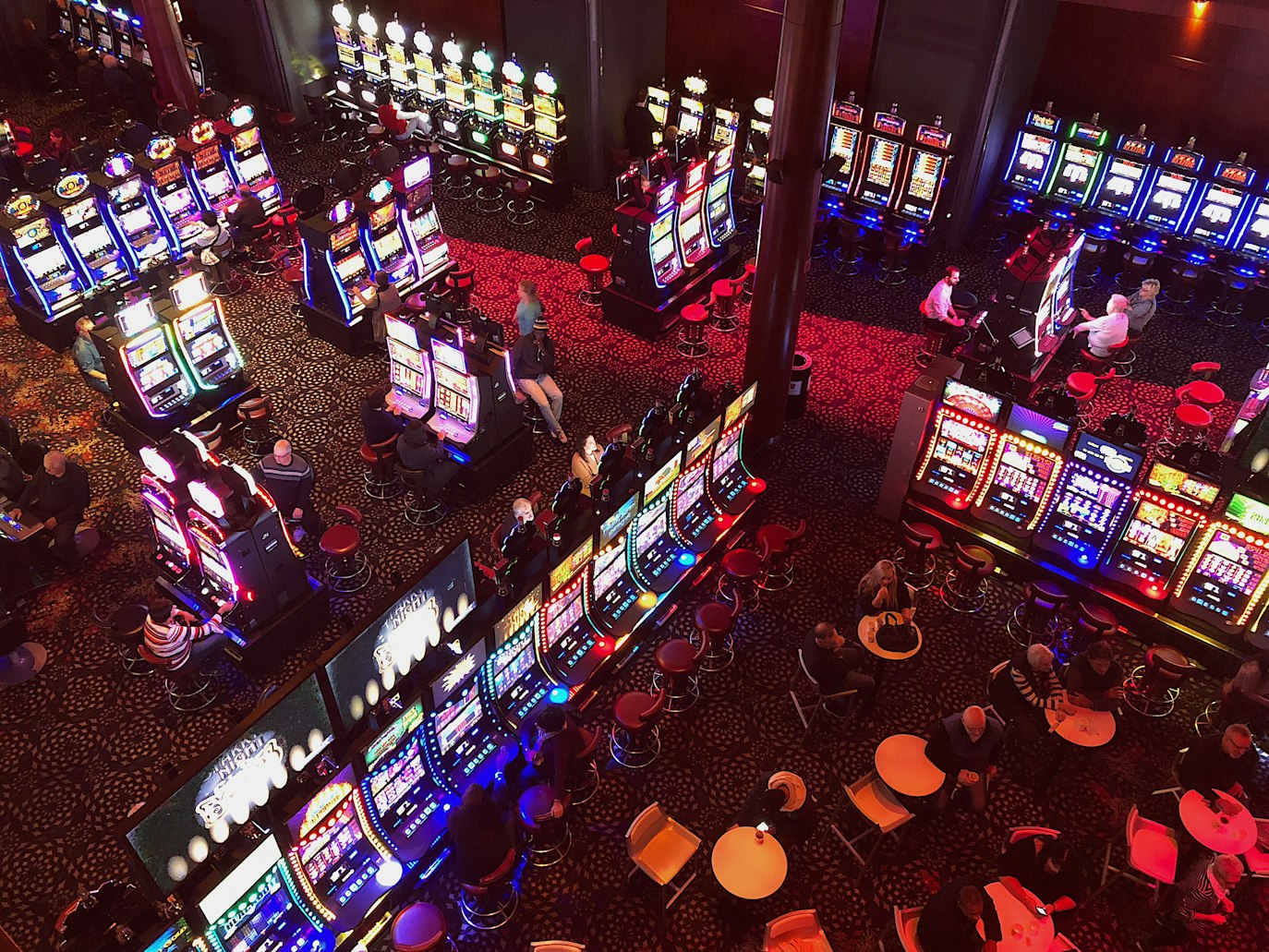
While escapism can be a healthy form of relaxation, it can also lead to unhealthy habits if it becomes a primary coping mechanism. Individuals who use gambling to avoid confronting their problems may find themselves in a cycle of escapism that is challenging to break. Recognizing the underlying reasons for their gambling behavior is essential for maintaining a balanced perspective, ensuring that gambling remains a source of enjoyment rather than a source of additional stress or financial burden.
Cultural Perspectives on Gambling
Cultural attitudes toward gambling vary significantly around the globe, influencing how individuals perceive and engage with this activity. In some cultures, gambling is widely accepted and integrated into social events, while in others, it may be frowned upon or even illegal. This cultural backdrop plays a significant role in shaping an individual’s approach to gambling, affecting everything from participation frequency to attitudes toward winning and losing. Understanding these cultural nuances is key to grasping why people gamble and how different societies view this form of entertainment.
In societies where gambling is considered a legitimate form of entertainment, it can foster a sense of community. Public events like poker tournaments or casino nights often bring people together, creating opportunities for interaction and shared experiences. These communal aspects can enhance the enjoyment of gambling, making it more than just a solitary activity. Conversely, in cultures that stigmatize gambling, individuals may feel compelled to conceal their activities, leading to feelings of shame or guilt. Such cultural dichotomies create a complex landscape where personal beliefs and societal norms intertwine, affecting individual experiences.
Addressing the broader implications of gambling requires an understanding of these cultural perspectives. It allows for the examination of how societal values influence individual behaviors, highlighting the importance of awareness and education. Promoting responsible gambling practices can help individuals comprehend their motivations and make informed decisions, contributing to a healthier overall gambling culture. By fostering discussions about these cultural aspects, communities can build a more supportive environment for all individuals involved, encouraging responsible participation.
The Psychology Behind Gambling
The psychology of gambling is a fascinating area of study that uncovers various factors driving individuals to engage in this activity. One key psychological aspect is the concept of variable reinforcement, where players receive unpredictable rewards. This unpredictability can lead to compulsive behaviors, as players continuously chase the next win without knowing when it might occur. Understanding this psychological framework is crucial to demystifying why people are drawn to gambling, often against their better judgment.

Another significant psychological factor is the illusion of control. Many gamblers believe that their skills or strategies can influence the outcome of games, particularly in skill-based games like poker. This belief can compel individuals to gamble more frequently, as they feel empowered by their perceived abilities. However, recognizing the role of chance in gambling outcomes is essential for maintaining a healthy relationship with the activity. Emphasizing skill in games can sometimes cloud the reality that luck plays a significant role, leading to misplaced confidence in one’s gambling capabilities.
Additionally, cognitive biases play a crucial role in gambling psychology. For instance, the gambler’s fallacy leads individuals to believe that past events will influence future outcomes, creating a distorted perception of probability. This distortion can encourage players to continue gambling, hoping that a win is “due” after a series of losses. By understanding these psychological drivers, individuals can gain insights into their behavior, potentially leading to more mindful gambling practices. Awareness of these biases can help players make more rational decisions and mitigate the risks associated with gambling, fostering a healthier approach to this form of entertainment.
Concluding Thoughts on Casino Culture
The culture surrounding gambling and casinos is rich and varied, encompassing a wide range of motivations, from the thrill of the game to cultural influences and psychological factors. This complex tapestry reflects the diverse reasons individuals are drawn to gambling, as well as the potential risks involved. As society continues to evolve, understanding these elements becomes increasingly important for fostering a healthy gambling environment. A comprehensive understanding of casino culture can enhance the experience for both casual players and serious gamblers alike.
Engaging in responsible gambling practices is vital for individuals who choose to participate in this activity. By recognizing personal motivations and understanding the underlying psychological aspects, players can make informed choices that enhance their experience without leading to detrimental consequences. Ultimately, gambling can be a source of enjoyment and community when approached with care and responsibility. The key lies in balancing the excitement with a healthy awareness of its potential impacts on their lives and finances.
For those interested in exploring further, numerous resources and communities offer support and information about responsible gambling. Understanding casino culture not only enhances the gaming experience but also promotes awareness surrounding the potential effects of gambling on individuals and society. Engaging with this topic responsibly can lead to a more enjoyable and sustainable relationship with casino culture overall, ensuring that it remains a positive aspect of social and recreational life.